Collector’s Guide 2026: The Lincoln penny is one of the most iconic coins in U.S. history. First introduced in 1909, it features the profile of President Abraham Lincoln on the obverse and has undergone several design changes over the years. Whether you’re a seasoned coin collector or just starting out, understanding the value of Lincoln pennies and the significance of mint marks is essential for building a valuable collection. In this guide, we’ll break down the Lincoln penny’s value, explain the importance of mint marks, and provide you with an updated value chart for 2026.
History of the Lincoln Penny
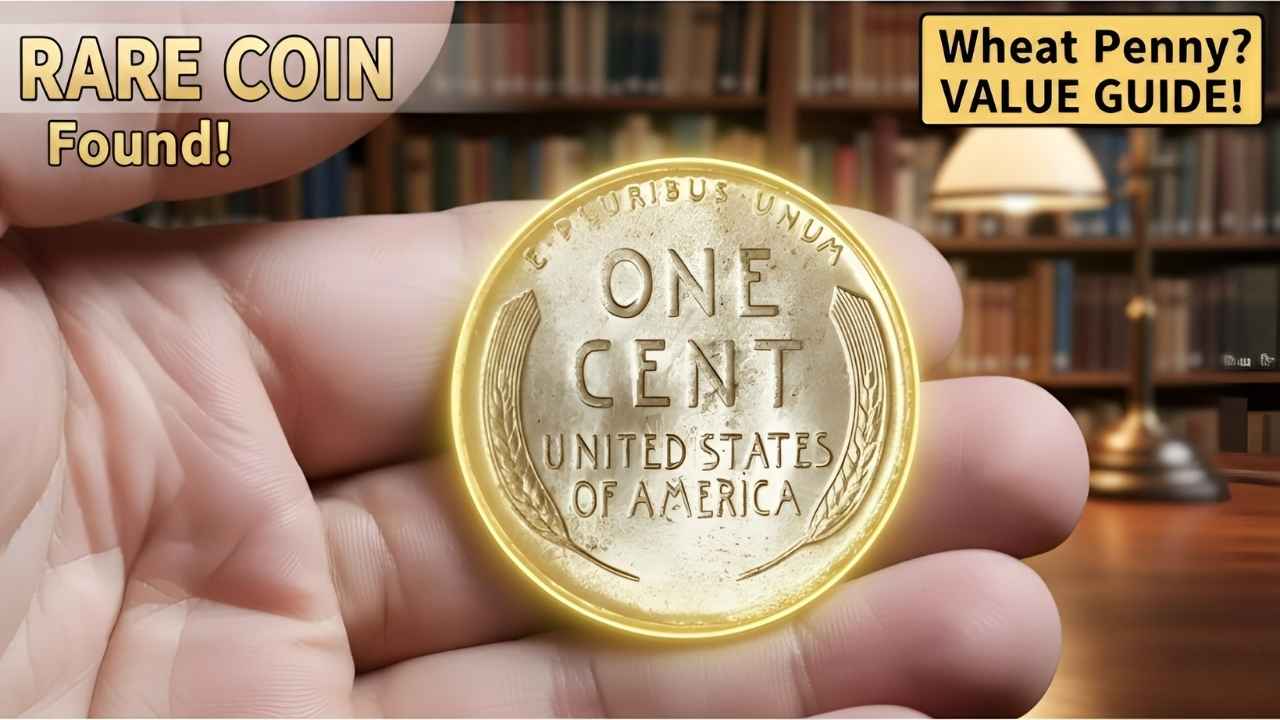
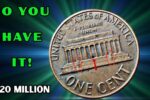
The Lincoln penny was introduced in 1909 to commemorate the 100th anniversary of President Abraham Lincoln’s birth. Designed by sculptor Victor David Brenner, the coin was initially struck in 95% copper and 5% tin and zinc. The reverse side of the penny originally featured two wheat stalks, symbolizing the nation’s agricultural heritage, which is why it’s often referred to as the “wheat penny.” In 1959, the design was changed to feature the Lincoln Memorial on the reverse, and in 2009, a series of four different reverse designs were issued to celebrate Lincoln’s life and legacy.
The Lincoln penny has become a favorite among collectors due to its long history, multiple design changes, and the vast number of different varieties. Some Lincoln pennies are worth far more than their face value due to rarity, historical significance, or minting errors.
Mint Marks and Their Significance
Mint marks are symbols that tell you where a coin was minted. Over the years, different U.S. mints have produced coins in various locations, and these marks are used to identify the mint responsible for striking the coin. The presence of a mint mark on a coin can significantly affect its value.
Here are the most common mint marks found on Lincoln pennies:
- “D” Mintmark (Denver Mint): The Denver Mint has been one of the primary facilities for minting coins since it opened in 1906. Coins with a “D” mintmark were struck at this facility.
- “S” Mintmark (San Francisco Mint): The San Francisco Mint has historically been known for producing proof coins and other special editions. The “S” mintmark signifies that the coin was struck in San Francisco.
- No Mintmark (Philadelphia Mint): Coins minted in Philadelphia before 1980 did not have a mintmark. If there is no mintmark on a Lincoln penny, it was minted in Philadelphia, the original U.S. Mint.
- “W” Mintmark (West Point Mint): Although the West Point Mint is known primarily for producing gold and silver coins, it has struck some Lincoln pennies in special proof and commemorative sets.
Why Mint Marks Matter
The mint mark is important because it can help determine the rarity of a coin. Certain mints, such as the San Francisco Mint, produced fewer coins in some years, which makes those coins more valuable to collectors. Additionally, the “D” mintmark coins from Denver are often sought after in higher grades, while Philadelphia coins with no mintmark can also be rare depending on the year.
Key Factors Affecting Lincoln Penny Values
The value of a Lincoln penny is determined by several factors, including the following:
- Year of Minting: Some years are much rarer than others. For example, the 1909-S VDB, 1914-D, and 1922 (No D) pennies are considered key dates and are worth significantly more than common years.
- Condition and Grading: The condition of a coin is one of the most important factors in determining its value. Coins are graded based on their appearance, with grades ranging from Poor (P-1) to Mint State (MS-70). High-grade coins in uncirculated or near-mint condition are worth much more than those with wear and damage.
- Mint Mark: As mentioned earlier, certain mint marks are rarer than others, which can increase a coin’s value. Coins from mints that produced fewer coins in a given year are more likely to be valuable.
- Errors and Variations: Lincoln pennies that were minted with errors—such as double dies, off-center strikes, or misprints—are particularly valuable. Collectors often pay a premium for these coins due to their uniqueness.
- Historical Significance: Certain years of Lincoln pennies are valuable because of the historical events surrounding them. For example, coins minted during times of war or economic turmoil can have increased significance for collectors.
Lincoln Penny Value Chart 2026
Below is an updated value chart for Lincoln pennies in 2026. The prices listed reflect the current market trends and can vary depending on the coin’s grade, mintmark, and condition.
| Year | Circulated Value | Uncirculated Value | Key Notes |
|---|---|---|---|
| 1909 (No VDB) | $1.50 – $10 | $200 – $500 | Rare in high-grade |
| 1909-S VDB | $1,500 – $2,500 | $5,000 – $10,000 | One of the most valuable pennies |
| 1914-D | $100 – $200 | $1,000 – $1,500 | Highly valuable in good condition |
| 1922 (No D) | $200 – $400 | $500 – $2,000 | Rare error coin |
| 1924-D | $10 – $20 | $50 – $100 | Sought after in higher grades |
| 1931-S | $50 – $100 | $150 – $400 | Rare in high-grade |
| 1943 Steel | $0.50 – $1 | $2 – $10 | Wartime steel composition |
| 1955 Double Die | $100 – $500 | $1,000 – $2,000 | Famous error coin |
| 1969-S Double Die | $100 – $300 | $500 – $1,000 | Rare and valuable error coin |
| 1982 Copper | $0.50 – $2 | $5 – $15 | Minted in both copper and zinc |
| 2009 (Log Cabin) | $1 – $5 | $10 – $20 | Part of Lincoln’s bicentennial series |
Key Dates to Watch for in 2026
Certain Lincoln pennies from specific years continue to be highly valued by collectors due to their rarity and historical significance. Here are some of the most sought-after Lincoln pennies to watch for in 2026:
1909-S VDB
The 1909-S VDB is one of the most valuable Lincoln pennies, with a low mintage of only 484,000 coins. The “VDB” initials on the reverse were removed after complaints, making this coin especially rare and highly collectible. In high-grade condition, this penny can fetch anywhere from $5,000 to $10,000 or more.
1914-D
The 1914-D penny is another highly sought-after coin due to its low mintage of just over 1 million coins. It’s especially valuable in higher grades, with uncirculated examples worth up to $1,500 or more.
1922 (No D)
The 1922 (No D) Lincoln penny is a famous error coin where the mintmark was missing. Only a small number of these coins were produced, making it one of the rarest pennies in the series. A 1922 (No D) penny in good condition can be worth upwards of $2,000, while coins in higher grades are worth even more.
1955 Double Die
The 1955 Double Die penny is another well-known error coin that features a doubling effect on the date and inscriptions. In excellent condition, this penny can be worth up to $2,000 or more. Its unique appearance makes it a must-have for serious collectors.
2009 Bicentennial Series
The 2009 series of Lincoln pennies, including the Log Cabin reverse, is also highly collectible. These coins were issued to celebrate the bicentennial of Lincoln’s birth, and while they are still relatively common, they are part of a limited-run series and can fetch a premium in uncirculated condition.
Tips for Collecting Lincoln Pennies
If you’re starting or expanding your Lincoln penny collection, here are a few tips to help you along the way:
- Know the Key Dates: Focus on the key dates, such as 1909-S VDB, 1914-D, 1922 (No D), and 1955 Double Die. These coins are always in demand and have the potential for substantial appreciation in value.
- Examine the Condition: Always assess the condition of the coin. High-grade Lincoln pennies are far more valuable than those in poor condition. Pay attention to wear, scratches, and other imperfections.
- Look for Errors: Errors like double dies and off-center strikes can make a penny far more valuable. These coins are highly collectible and can fetch high prices.
- Consider Getting Coins Graded: If you find a rare or high-grade Lincoln penny, consider having it professionally graded. A certified grade can help determine the coin’s true value.
- Build Your Collection Gradually: Collecting Lincoln pennies can be a rewarding hobby, but patience is key. Focus on building your collection over time, and always be on the lookout for rare and valuable coins.
Conclusion
The Lincoln penny is a timeless piece of U.S. history, and its value continues to evolve as new collectors enter the market. Understanding the significance of mint marks, key dates, and coin grading is essential for anyone interested in collecting Lincoln pennies. With the right knowledge, you can uncover hidden treasures in your collection and potentially make valuable additions to your numismatic portfolio. Whether you’re seeking rare error coins or simply want to add high-quality examples to your collection, the world of Lincoln pennies offers plenty of opportunities for collectors in 2026 and beyond.