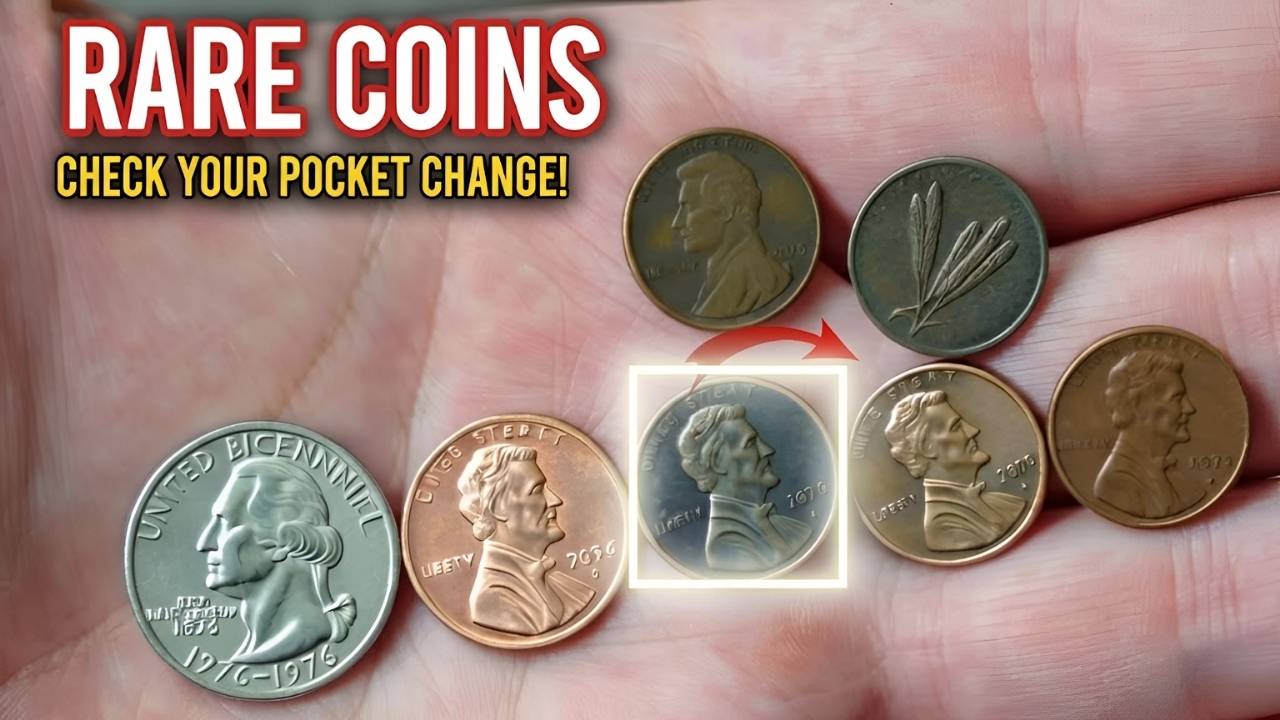
Coin Collecting Tips: Lincoln Wheat pennies, often simply called “wheat pennies,” are among the most well-known and beloved coins in U.S. numismatics. Minted from 1909 to 1958, these pennies feature the famous portrait of President Abraham Lincoln on the obverse and two stalks of wheat on the reverse. While most wheat pennies are relatively inexpensive, certain years and conditions can make them worth far more than their face value. If you’re new to coin collecting or have recently found some wheat pennies and wonder about their value, this guide will provide you with the tips you need to identify and assess their worth.
Understanding the Lincoln Wheat Penny Design
Before diving into identifying and valuing your Lincoln Wheat pennies, it’s essential to understand the coin’s design and history. The Lincoln Wheat penny was introduced in 1909 to commemorate the 100th anniversary of Abraham Lincoln’s birth. Designed by Victor David Brenner, the coin features a portrait of Lincoln on the obverse and two stalks of wheat on the reverse, which is why the coin is often referred to as the “wheat penny.”
The wheat penny series went through several changes over its 50-year run, including alterations to the coin’s composition and the introduction of key design changes. The reverse design was updated in 1959 to feature the Lincoln Memorial, marking the end of the wheat penny era.
Identifying Lincoln Wheat Pennies
The first step in determining the value of a Lincoln Wheat penny is to identify it correctly. These coins were struck for nearly five decades, which means there are numerous variations to consider. Here are some key features to focus on when identifying wheat pennies:
Check the Year
The year of minting plays a significant role in determining the coin’s value. Some years have far fewer mintage numbers, which makes them more valuable than others. For example, a 1909-S VDB penny can be worth thousands of dollars in good condition, while a 1957 wheat penny might be worth just a few cents in average condition.
Look for the “VDB” Initials
On some 1909 Lincoln Wheat pennies, you will see the initials “VDB” on the reverse near the bottom. These initials stand for Victor David Brenner, the designer of the coin. The 1909-S VDB is particularly famous and highly sought after due to its limited mintage and the public controversy surrounding the display of the designer’s initials. If you find a 1909-S VDB in good condition, it can be worth anywhere from a few hundred to several thousand dollars, depending on its grade.
Examine the Reverse Design
The reverse of the Lincoln Wheat penny features two stalks of wheat, but there are other minor design variations over the years. For instance, in 1943, the U.S. Mint struck steel pennies instead of copper due to wartime metal shortages. These are unique and valuable as they were made in limited quantities. Always examine the reverse to ensure you’re looking at a legitimate wheat penny and not another variation or misprint.
Look for Mint Marks
Mint marks help identify where a coin was produced, which is essential for assessing its rarity and value. Lincoln Wheat pennies were minted in several different locations, and the mint mark can affect the coin’s worth. Here’s what the mintmarks mean:
- No Mintmark (Philadelphia): Most of the coins produced in this series were struck at the Philadelphia Mint. If you see no mintmark, the coin was minted in Philadelphia.
- D Mintmark (Denver): Coins minted in Denver have a “D” mintmark. These coins are sometimes rarer, and certain years with the Denver mintmark can be worth more.
- S Mintmark (San Francisco): The San Francisco Mint produced fewer wheat pennies, especially in certain years, which can make these coins more valuable.
Assess the Coin’s Condition
The condition of your coin is perhaps the most important factor when determining its value. Coins are graded based on their appearance, with grades ranging from Poor (P-1) to Mint State (MS-70). Lincoln Wheat pennies are generally graded on a scale of 1 to 70, with the higher grades commanding higher prices. Here’s a general breakdown of coin grading:
- Good (G-4): The coin has heavy wear but still maintains legible features.
- Very Fine (VF-20): The coin shows moderate wear, but the design is still clear.
- Extremely Fine (XF-40): The coin has slight wear, and the design remains sharp.
- Uncirculated (MS-60 to MS-70): The coin shows no signs of wear and has a sharp design with few or no imperfections.
Coins in higher grades are more valuable, especially for rare years or mint marks. For example, a 1909-S VDB in Poor condition might be worth a few hundred dollars, but in Mint State condition, it could be worth tens of thousands.
Determining the Value of Lincoln Wheat Pennies
Once you’ve identified your Lincoln Wheat pennies, it’s time to evaluate their worth. The value of a coin is affected by several factors, and understanding these elements will help you determine how much your coin could be worth.
Key Dates
Certain years of Lincoln Wheat pennies are more valuable due to their low mintage or unique features. The following are some of the key dates that collectors highly seek:
- 1909-S VDB: This coin is one of the most famous and valuable wheat pennies. With only 484,000 minted, it’s a rare find, and its value can range from a few hundred dollars to several thousand, depending on its condition.
- 1914-D: Another highly sought-after coin, the 1914-D has a low mintage of just 1.2 million. In mint condition, it can be worth over $1,000.
- 1922 (No D): A rare error coin, the 1922 penny was struck without the “D” mintmark, making it one of the most valuable in the series. Depending on its condition, it can be worth up to $2,000.
- 1931-S: With a mintage of just over 800,000, the 1931-S is another rare coin. In high-grade condition, it can fetch several hundred dollars.
Common Years
Most Lincoln Wheat pennies from the 1930s to the 1950s are considered common and have only a small premium over their face value. Coins from these years, such as the 1944, 1945, 1950, and 1957, typically range from 10 to 50 cents, depending on their condition. However, if they are in uncirculated or high-grade condition, their value can increase significantly.
Minting Errors
Wheat pennies with minting errors are often more valuable than regular coins. Common errors to look for include:
- Double Dies: These occur when a coin is struck more than once, causing doubling in the design, particularly in the date and inscriptions.
- Off-Center Strikes: Coins that are not properly aligned during the minting process can have portions of the design missing or shifted.
- Die Cracks: These occur when the die used to strike the coin develops cracks, leaving visible lines or marks on the coin.
If you find a wheat penny with one of these errors, it may be worth significantly more than its face value.
Using a Coin Price Guide
To determine the value of your Lincoln Wheat pennies, use a reputable coin price guide. These guides provide up-to-date values based on the condition, mint mark, and rarity of each coin. If you’re unsure about the grade or value of your coin, consider consulting a professional numismatist or visiting a coin dealer.
Conclusion
Lincoln Wheat pennies are a fascinating part of U.S. coinage and offer an exciting opportunity for collectors to uncover valuable coins. By learning how to identify key dates, mint marks, and variations, as well as understanding the importance of coin condition, you can begin to assess the value of your wheat pennies. With a bit of patience and knowledge, you may find yourself with a hidden treasure that is worth far more than its face value.