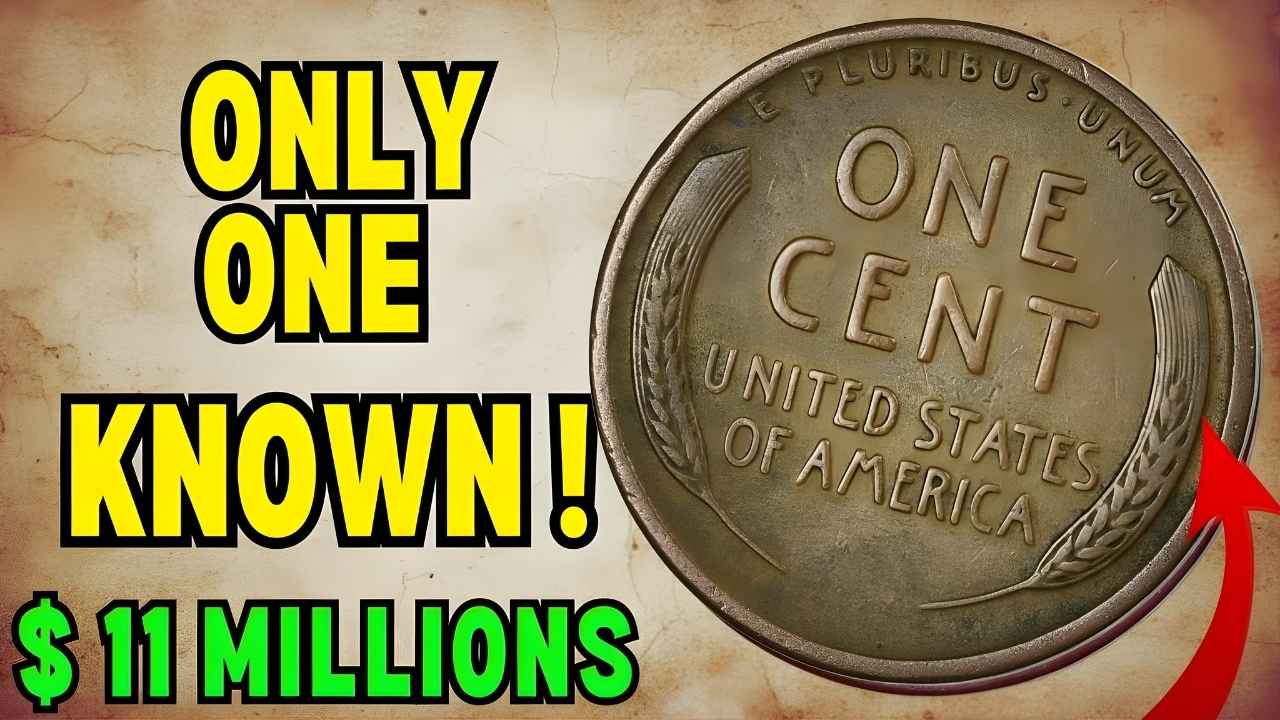
Rare Lincoln Wheat Pennies Worth Collecting: Few coins in American history carry the same emotional and historical weight as the Lincoln Wheat Penny. Small in size but massive in legacy, these coins have captured the imagination of collectors for more than a century. Whether discovered in an old jar, passed down through family, or carefully hunted at coin shows, certain rare Lincoln Wheat Pennies are worth far more than one cent.
Minted from 1909 to 1958, the Lincoln Wheat Penny remains one of the most collected coins in the United States. Some versions are common and affordable, while others are highly rare and valued in the thousands or even millions of dollars. Understanding which dates and mint marks matter can turn an ordinary coin into a remarkable treasure.

The Birth of the Lincoln Wheat Penny
The Lincoln Wheat Penny was first introduced in 1909 to commemorate the 100th anniversary of Abraham Lincoln’s birth. It marked a major turning point in American coinage because it was the first U.S. coin to feature a real historical person rather than a symbolic figure.
Designed by Victor David Brenner, the coin displays Abraham Lincoln’s profile on the front. The back features two wheat stalks surrounding the words One Cent and United States of America. This iconic wheat design gave the coin its popular nickname, the Wheat Penny.
The first year of production created one of the most famous rarities in American numismatics. The 1909 issue included a small number of coins bearing Brenner’s initials VDB on the reverse. These 1909 S VDB pennies were minted in limited quantity at the San Francisco Mint, making them extremely desirable today.
Why Some Lincoln Wheat Pennies Are Valuable
Not every Wheat Penny is rare, but certain factors make specific coins highly valuable. The main elements collectors look for include low mintage numbers, minting errors, historical significance, and condition.
Coins from the San Francisco Mint, marked with an S, often had lower production numbers compared to Philadelphia coins, which carry no mint mark. The Denver Mint used a D mint mark and also produced several key rarities.
Condition plays a crucial role in determining value. A coin in circulated condition might be worth a modest amount, while the same coin in mint state condition can command thousands of dollars. Professional grading services evaluate coins based on preservation, luster, and wear.
Mint errors also add excitement to collecting. Doubled dies, off center strikes, and metal composition changes can dramatically increase a penny’s worth.
Rare Lincoln Wheat Pennies and Their Estimated Values
Below is a simplified value chart highlighting some of the most sought after Lincoln Wheat Pennies. Values vary depending on condition and market demand.
1909 S VDB
Estimated Value: $800 to over $3,000 in higher grades
One of the most famous key dates due to limited production.
1914 D
Estimated Value: $200 to $5,000+
Low mintage from the Denver Mint makes this coin highly collectible.
1922 No D
Estimated Value: $500 to $10,000+
A famous mint error where the Denver mint mark is missing.
1931 S
Estimated Value: $100 to $1,500
Low production during the Great Depression era increased its rarity.
1943 Bronze Penny
Estimated Value: $100,000 to over $1,000,000
A legendary error coin struck in bronze instead of steel during World War II.
1955 Doubled Die
Estimated Value: $1,000 to $15,000+
Easily recognizable doubling on the date and lettering.
The 1943 Bronze Penny stands as the ultimate prize. During World War II, copper was reserved for military use, so pennies were struck in zinc coated steel. However, a small number were mistakenly struck on leftover bronze planchets from 1942. These coins are extraordinarily rare and have sold for staggering amounts at auction.
The Historical Importance of the Wheat Penny Era
The Lincoln Wheat Penny witnessed some of the most transformative decades in American history. It circulated during World War I, the Roaring Twenties, the Great Depression, World War II, and the early years of the Cold War. Each coin carries silent stories of economic struggle, industrial growth, and global conflict.
The 1943 steel pennies symbolize wartime sacrifice. Their unusual silver color surprised Americans accustomed to copper coins. In 1944, the Mint returned to bronze, using recycled shell casings from military training facilities.
By 1959, the design changed to feature the Lincoln Memorial on the reverse, ending the Wheat Penny era. That transition marked the close of a fifty year chapter in American coin design.
Tips for Collecting Lincoln Wheat Pennies
Starting a Wheat Penny collection does not require a large budget. Many dates from the 1940s and 1950s remain affordable and can be found in circulated condition. Beginners often start by assembling a complete date and mint mark set.
When searching for valuable pieces, always check the mint mark carefully below the date. A small letter can make a dramatic difference in value. Using a magnifying glass helps identify doubled dies and subtle details.
Avoid cleaning old coins. Cleaning can significantly reduce value by damaging the surface. Collectors prefer coins with natural aging and original surfaces.
Storage also matters. Keeping pennies in protective holders or albums prevents environmental damage and preserves their condition.
For high value coins, professional authentication is recommended. Counterfeit key dates exist, especially for coins like the 1909 S VDB and the 1943 Bronze Penny. Verification ensures both authenticity and proper grading.
The Enduring Appeal of Lincoln Wheat Pennies
More than just currency, Lincoln Wheat Pennies represent American resilience and identity. Their simple design, historical depth, and the thrill of discovering rare variations continue to attract collectors of all ages.
Many collectors describe the excitement of finding a key date coin in pocket change or inheriting a family collection. The emotional connection often goes beyond financial value. Each penny serves as a tangible link to earlier generations.
Even common Wheat Pennies hold nostalgic charm. They remind people of simpler times when one cent carried more purchasing power and everyday transactions felt different.
Final Thoughts
Rare Lincoln Wheat Pennies combine history, artistry, and the excitement of treasure hunting. From the famous 1909 S VDB to the elusive 1943 Bronze error, these small copper coins can carry astonishing value.
For beginners and experienced numismatists alike, collecting Wheat Pennies offers both affordability and the possibility of remarkable discoveries. By learning key dates, understanding mint marks, and preserving coins carefully, anyone can participate in this rewarding hobby.
In the world of coin collecting, few pieces tell a richer American story than the Lincoln Wheat Penny. Whether valued at a few cents or hundreds of thousands of dollars, each one remains a timeless piece of history waiting to be appreciated.