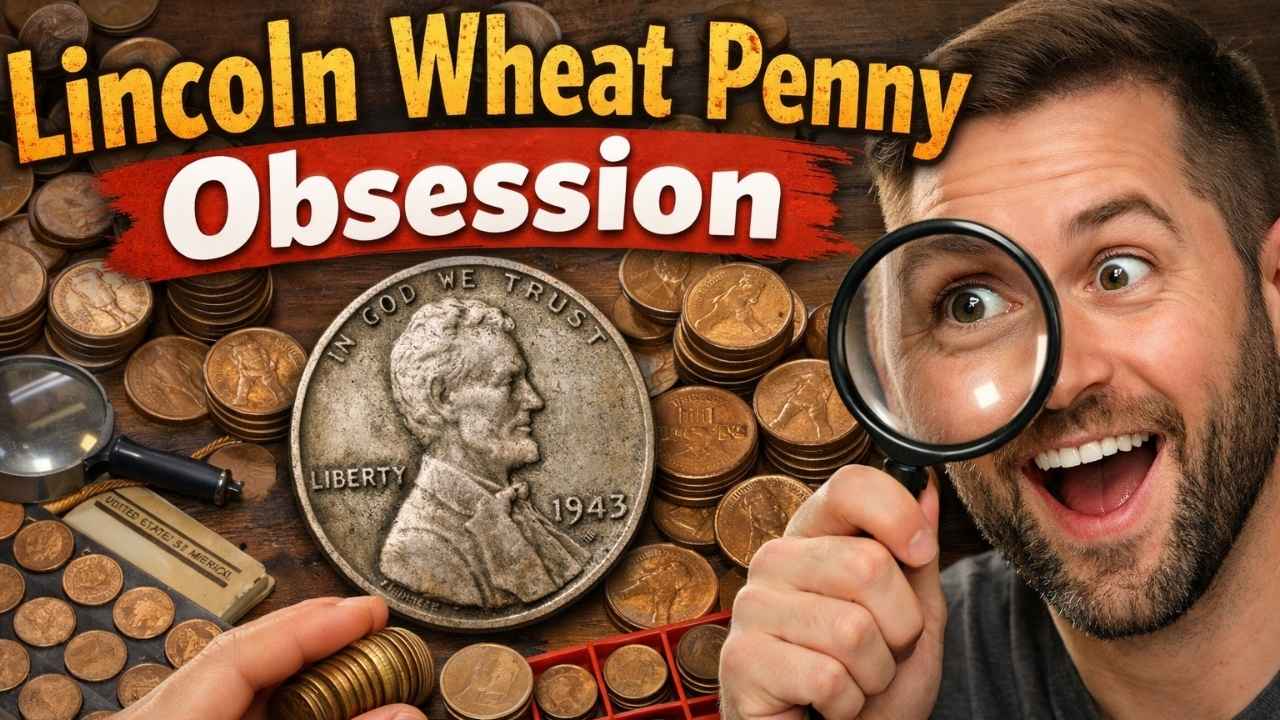
Lincoln Wheat Penny Obsession: The Lincoln Wheat Penny was first minted in 1909 to commemorate the centennial of Abraham Lincoln’s birth. Designed by Victor David Brenner, the coin featured Lincoln’s portrait on the obverse and two wheat stalks framing the denomination on the reverse. It was the first U.S. coin to depict a real person rather than a symbolic figure, marking a significant shift in American coinage. From its inception, the Wheat Penny captured the imagination of collectors and everyday citizens alike.
Historical Significance of the Wheat Penny
The Wheat Penny was produced from 1909 until 1958, spanning nearly five decades of American history. During this time, the coin witnessed two world wars, the Great Depression, and the postwar economic boom. Its design became iconic, symbolizing both the resilience of the nation and the enduring legacy of Abraham Lincoln. For many Americans, the Wheat Penny was more than currency; it was a piece of history carried in their pockets.

Rare Varieties and Mint Errors
Among the millions of Wheat Pennies produced, certain varieties stand out as exceptionally rare and valuable. The 1909-S VDB penny, struck in San Francisco with Brenner’s initials prominently displayed, is one of the most famous rarities. Other notable varieties include the 1914-D penny, the 1922 no-D penny, and the 1955 doubled die penny. Mint errors such as off-center strikes and doubled dies have also added to the allure of the series, making some coins worth thousands or even millions of dollars.
The Obsession of Collectors
Collectors have long been fascinated by the Wheat Penny, driven by the thrill of discovering rare varieties and the challenge of assembling complete sets. The coin’s accessibility—often found in circulation well into the late twentieth century—made it a popular entry point for new collectors. Over time, the obsession grew, with enthusiasts dedicating years to tracking down elusive dates and mint marks. This passion has fueled a vibrant market and elevated the Wheat Penny to legendary status.

The $200 Million Treasure
The revelation of a legendary $200 million treasure tied to Wheat Pennies has captivated the numismatic world. This treasure represents the combined value of rare varieties, high-grade examples, and historic collections amassed over decades. Auction records, private sales, and rediscovered hoards have contributed to this staggering figure, underscoring the immense financial and cultural significance of the Wheat Penny. For collectors, the treasure is not just about money—it is about the pursuit of history and the joy of discovery.
Rediscoveries and Hidden Collections
Stories abound of Wheat Pennies being rediscovered in old jars, safes, and family estates. These hidden collections often contain rare varieties that have been overlooked for generations. Each rediscovery adds to the mystique of the coin and reinforces its reputation as a treasure waiting to be found. For modern collectors, the possibility of uncovering a valuable Wheat Penny in an ordinary setting is part of the enduring appeal.
The Role of Grading and Authentication
As values have soared, grading and authentication have become essential. Professional services such as PCGS and NGC evaluate coins for condition, strike quality, and authenticity, providing collectors with confidence in their purchases. High-grade Wheat Pennies, especially those certified as mint state or proof, command significant premiums. Authentication also protects against counterfeits, ensuring that the integrity of the market is preserved.
Cultural Impact of the Wheat Penny
Beyond its monetary value, the Wheat Penny holds a special place in American culture. It evokes nostalgia for a time when coins carried symbolic weight and everyday transactions connected people to history. The coin’s design, featuring Lincoln and the wheat stalks, reflects themes of leadership, agriculture, and national identity. Its enduring popularity demonstrates how numismatics can bridge the gap between history and personal memory.

Investment Potential
The Wheat Penny has proven to be a strong investment, with rare varieties and high-grade examples appreciating significantly over time. Collectors and investors alike recognize the coin’s potential, driven by scarcity, demand, and historical significance. The $200 million treasure highlights the financial rewards of dedicated collecting, but it also underscores the importance of knowledge, patience, and passion in the pursuit of numismatic success.
Preserving the Legacy
Proper preservation is vital for maintaining the value and appeal of Wheat Pennies. Collectors are advised to store coins in protective holders, avoid handling them with bare hands, and keep them in controlled environments. Preservation ensures that future generations can appreciate the beauty and significance of these coins, allowing the legacy of the Wheat Penny to endure.

Conclusion
The Lincoln Wheat Penny remains one of the most iconic and beloved coins in American history. Its origins, rare varieties, and cultural impact have fueled an obsession that continues to this day. The revelation of a $200 million treasure underscores the coin’s immense value and enduring appeal. For collectors, the Wheat Penny is more than metal—it is a story, a pursuit, and a connection to the past. As rediscoveries continue and values rise, the legend of the Wheat Penny grows ever stronger, ensuring its place as a true treasure in the world of numismatics.