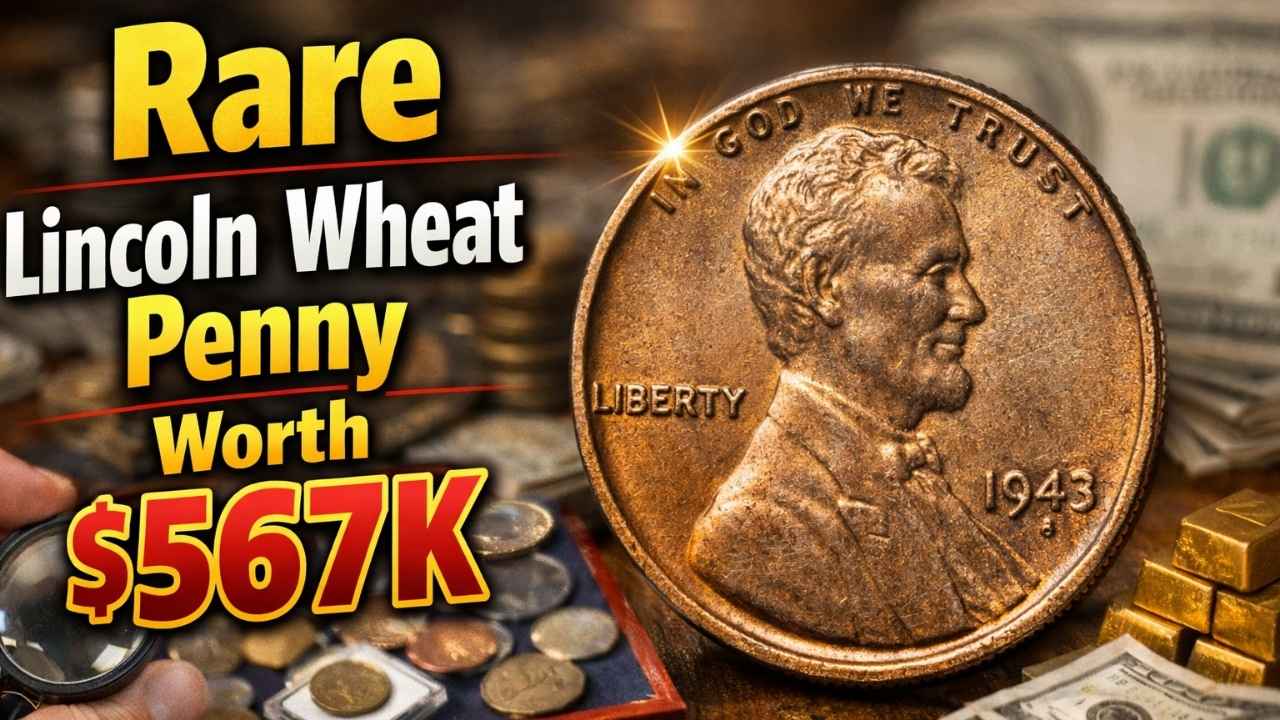
Rare Lincoln Wheat Penny Worth $567K in 2026: In 2026: the numismatic community witnessed a remarkable event when a rare Lincoln Wheat Penny sold for $567,000. This extraordinary price highlighted the enduring fascination with America’s humble one-cent coin and reminded collectors that even the smallest denomination can hold immense historical and financial significance. The sale sparked renewed interest in Wheat Pennies, encouraging both seasoned experts and new hobbyists to reexamine their collections.
The Origins of the Lincoln Wheat Penny
The Lincoln Wheat Penny was introduced in 1909 to commemorate the centennial of Abraham Lincoln’s birth. Designed by Victor David Brenner, it was the first U.S. coin to feature a real person rather than a symbolic figure. The obverse displayed Lincoln’s portrait, while the reverse featured two wheat stalks framing the words “One Cent.” This design remained in use until 1958, when it was replaced by the Lincoln Memorial reverse.

Why Wheat Pennies Can Be Valuable
Several factors determine the value of Wheat Pennies:
- Mint Year and Mint Mark: Certain years and mint locations produced fewer coins, making them rarer.
- Condition: Coins in uncirculated or pristine condition command higher prices.
- Errors and Varieties: Mistakes during minting, such as doubled dies or missing mint marks, can make a coin exceptionally valuable.
- Historical Context: Coins tied to significant events or changes in minting practices often attract greater interest.
Table of Notable Wheat Penny Values in 2026
| Year | Mint Mark | Key Feature | Approximate Value |
|---|---|---|---|
| 1909-S VDB | San Francisco | Designer initials VDB on reverse | $50,000–$100,000 |
| 1914-D | Denver | Low mintage | $20,000–$150,000 |
| 1922 No D | Denver | Missing mint mark | $30,000–$200,000 |
| 1943 Copper | Philadelphia | Struck on copper instead of steel | $250,000–$567,000 |
| 1955 Doubled Die | Philadelphia | Strong doubling on obverse | $50,000–$200,000 |
Famous Error Coins
Error coins are among the most sought-after in numismatics. The Wheat Penny series produced several famous examples:
- 1955 Doubled Die Obverse: One of the most recognizable errors, with clear doubling on the date and lettering.
- 1922 No D Penny: A coin minted in Denver without the “D” mint mark, creating a rare variety.
- 1943 Copper Penny: Accidentally struck on copper planchets during World War II when pennies were supposed to be made of steel. This error is among the most valuable, with one example reaching the $567,000 record in 2026.
Collector Tips for Identifying Valuable Wheat Pennies
For collectors hoping to find their own treasure, here are practical tips:
- Check Mint Marks: Look closely at the small letter under the date. Rare mint marks can dramatically increase value.
- Inspect for Errors: Doubling, off-center strikes, or unusual coloration may indicate a valuable error coin.
- Evaluate Condition: Coins with minimal wear, sharp details, and original luster are worth more.
- Use Professional Grading: Submitting coins to a recognized grading service ensures accurate valuation and authenticity.
- Stay Informed: Market values fluctuate, so keeping up with auction results and collector guides is essential.
The Collector Community’s Reaction
The record-breaking sale in 2026 reignited enthusiasm among coin collectors. Many saw it as proof that even everyday coins can hold extraordinary value. Forums and collector groups buzzed with discussions about potential hidden gems in personal collections. The sale also encouraged new hobbyists to begin searching through old jars and inherited coin boxes, hoping to uncover their own rare Wheat Penny.
Reflections on Numismatic Value
The Lincoln Wheat Penny illustrates how numismatics blends history, art, and economics. Each coin tells a story of its time, from the design choices to the materials used. The extraordinary value of certain Wheat Pennies is not just about rarity but about the cultural and historical significance they carry. Collectors are not merely investing in metal; they are preserving pieces of history.
Conclusion
The rare Lincoln Wheat Penny worth $567,000 in 2026 serves as a powerful reminder of the hidden treasures that may lie unnoticed in collections or circulation. Whether through mint errors, limited production runs, or historical significance, Wheat Pennies continue to captivate collectors and investors alike. For those passionate about numismatics, the journey of discovery is as valuable as the coins themselves.